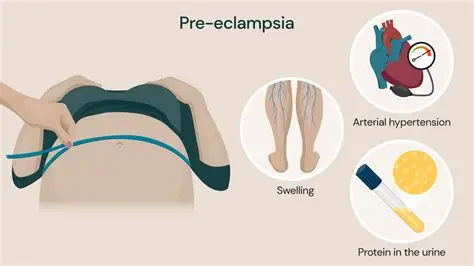
Preeclampsia Screening

Preeclampsia Screening is an important prenatal assessment used to identify pregnant women who may have an increased risk of developing
NIPT (Non-Invasive Prenatal Testing) (10 weeks)
Non-Invasive Prenatal Testing (NIPT) is an advanced prenatal screening test that can be performed from around 10 weeks of pregnancy using a simple blood sample from the mother.

Double Marker Test (10-14 weeks)
The Double Marker Test is a maternal blood test performed during the first trimester, usually between 10 and 14 weeks of pregnancy, to assess the risk of certain chromosomal conditions in the developing baby.
Quadruple Marker Test (15-20 weeks)
The Quadruple Marker Test is a maternal blood test usually performed between 15 and 20 weeks of pregnancy to estimate the risk of certain chromosomal and fetal conditions.
Placental Growth Factor (PLGF) Test (20-34 weeks)
The Placental Growth Factor (PLGF) Test is a blood test that measures the level of a protein produced by the placenta.

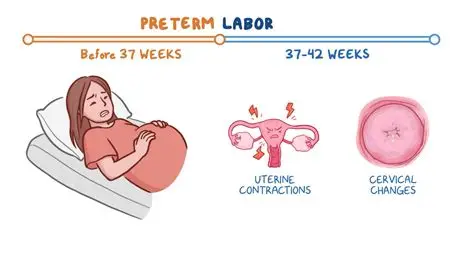
Pre-term Labour Screening
Pre-term Labour Screening is an assessment used to identify pregnancies that may have an increased risk of delivering before 37 weeks.
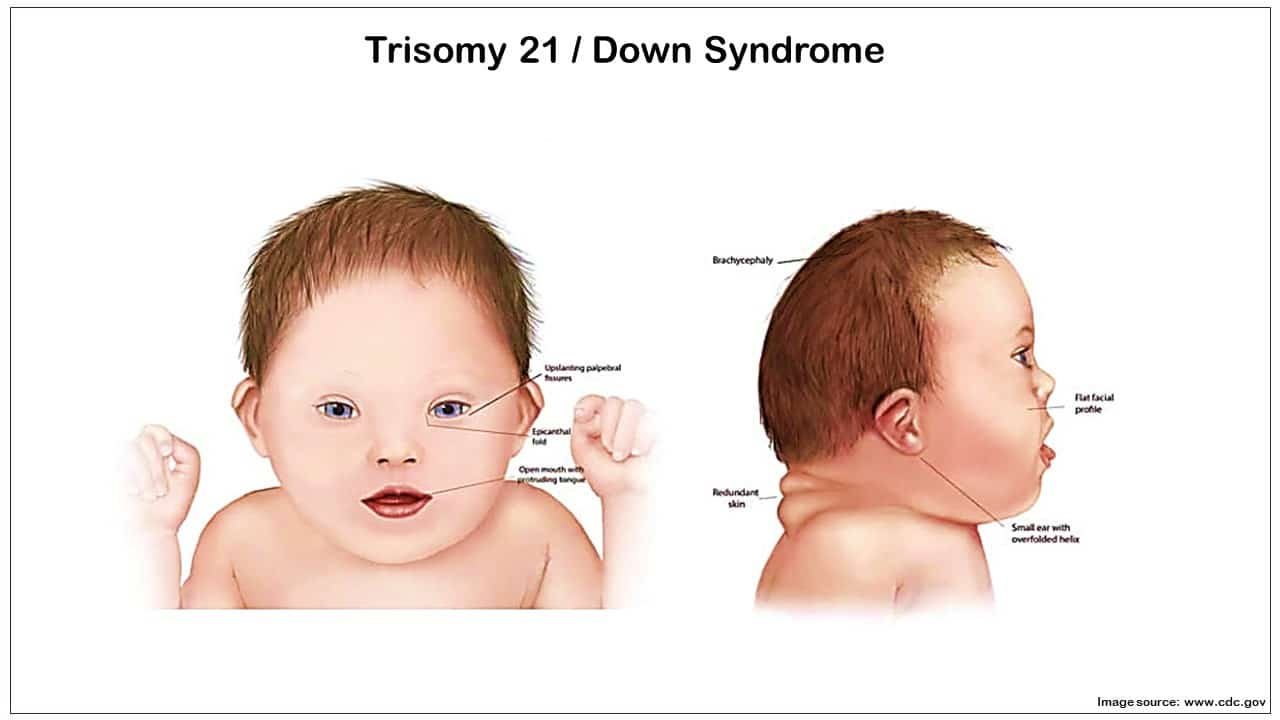
Down Syndrome Screening (Trisomy 21)
Down Syndrome (Trisomy 21) Screening is a prenatal screening assessment used to estimate the likelihood of a baby having an extra copy of chromosome 21
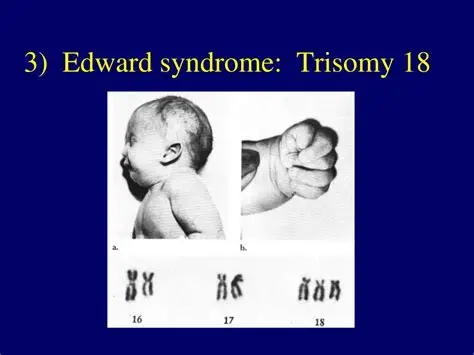
Edward Syndrome Screening (Trisomy 18)
Edwards Syndrome (Trisomy 18) Screening is a prenatal screening assessment used to estimate the likelihood of a baby having an extra copy of chromosome 18.
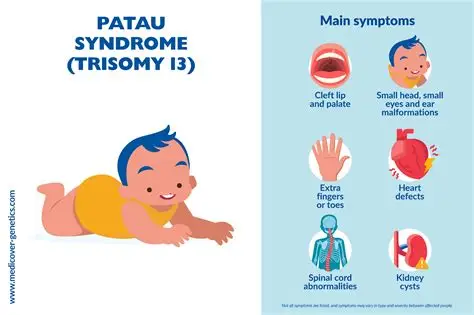
Patau Syndrome Screening (Trisomy 13)
Patau Syndrome (Trisomy 13) Screening is a prenatal screening assessment used to estimate the likelihood of a baby having an extra copy of chromosome 13.
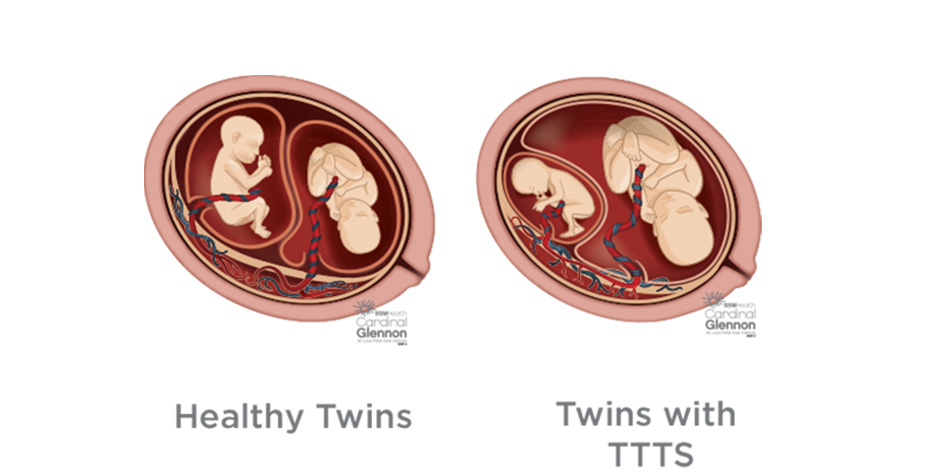
Twin-to-Twin Transfusion Syndrome (TTTS) Screening
Twin-to-Twin Transfusion Syndrome (TTTS) Screening is a specialised ultrasound assessment for monochorionic twin pregnancies, where both babies share the same placenta.