


Thalassemia is a hereditary blood disorder that affects the body’s ability to produce healthy hemoglobin. Hemoglobin is the essential protein in red blood cells that carries oxygen from the lungs to different parts of the body. When hemoglobin production is reduced or abnormal, it leads to anemia and various health complications.
Thalassemia is one of the most common inherited blood disorders worldwide, particularly in South Asia, the Middle East, and Mediterranean regions. Early detection, proper treatment, and genetic counseling play a major role in managing the condition effectively.

What Happens in Thalassemia?
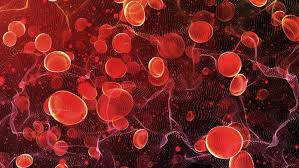
In a healthy person, red blood cells contain normal hemoglobin that efficiently carries oxygen. In individuals with thalassemia, genetic mutations interfere with hemoglobin production. As a result:
- Red blood cells are smaller and fragile
- The number of healthy red blood cells decreases
- Oxygen supply to the body becomes insufficient
- Anemia develops
Types of Thalassemia
Thalassemia is mainly divided into two categories:
1. Alpha Thalassemia
This type occurs when there is a defect in the alpha-globin genes. It ranges from mild to severe depending on the number of affected genes.
2. Beta Thalassemia
This is more common and occurs due to mutations in beta-globin genes. It includes:
- Thalassemia Minor (Carrier State) – Mild or no symptoms
- Thalassemia Intermedia – Moderate symptoms
- Thalassemia Major – Severe anemia requiring regular treatment
Treatment Options
1. Regular Blood Transfusions
Essential for patients with thalassemia major to maintain healthy hemoglobin levels.
2. Iron Chelation Therapy
Frequent transfusions can cause iron overload. Chelation medicines remove excess iron from the body.
3. Bone Marrow or Stem Cell Transplant
Currently, this is the only potential cure. It is most successful when performed early and with a matched donor.
4. Supportive Treatment
- Folic acid supplements
- Healthy diet
- Vaccinations
- Regular monitoring